
Explore the intricate world of Jueteng, an illegal yet pervasive numbers game in the Philippines, and its cultural, socioeconomic, and political ramifications.
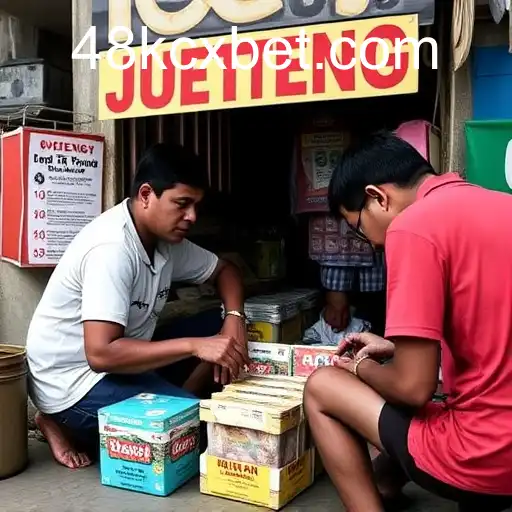
Understanding the Complexities of Jueteng: A Closer Look at the Illegal Numbers Game
Jueteng is a widely recognized but illegal numbers game in the Philippines, which has been a fixture in the country's social and political landscape for decades. The word "jueteng" itself is derived from the Spanish "juego," meaning game, and "teng," a derivative of an older Filipino term for bet. Despite constant efforts from law enforcement and government officials to eradicate it, jueteng remains deeply ingrained in Filipino culture.
The Mechanics of Jueteng
At its core, jueteng operates on a simple betting mechanism. Players bet on a combination of two numbers, each ranging from 1 to 37. Drawings occur regularly, typically twice a day, when winning numbers are drawn using a tambiolo, a type of lottery drum. If a player's number is selected, they win a prize based on how much they wagered.76N.COM
This simplistic game structure appeals to a wide demographic, cutting across social strata as it offers participants a quick and easy way to potentially improve their financial situation. Its wide reach and accessibility make it a popular, albeit illegal, pastime in both urban and rural areas in the Philippines.38P
The Cultural and Socioeconomic Impact
Jueteng's popularity is often attributed to the economic hardships faced by many Filipinos. It provides a glimmer of hope for better financial standing with a relatively low investment, a factor that significantly contributes to its continuous proliferation. The social aspect of jueteng should not be underestimated; the game fosters a sense of community among its players. Friends and families often gather around local operators, known as kubradors, discussing strategies and bets.
One crucial element that sustains jueteng's existence is the lack of financial infrastructure in many Filipino communities. Without access to formal financial institutions or legal gambling avenues, many view jueteng as their most viable financial outlet and opportunity for economic mobility.
The Political Entanglement
The illegal nature of jueteng has not prevented it from being enmeshed in Philippine politics. Many local officials and law enforcement agencies have been accused or caught accepting bribes to turn a blind eye to its operations. This has fostered a network of complicity that extends from small-time operators to prominent political figures.85x
Historically, jueteng has been a tool for political agendas, with some politicians leveraging their control over its operations to gain voter support and influence electoral processes. Allegations and investigations have repeatedly uncovered the deep-seated corruption associated with jueteng, though consistent legal action remains elusive.45FF
Anti-Jueteng Initiatives and Challenges
Despite its entrenched status, several initiatives have been launched to combat jueteng. Law enforcement agencies periodically conduct raids and arrest operators, while government officials propose legislation aimed at legalizing and taxing its operations to curb black-market activity.1jj.com
One of the most significant challenges in eradicating jueteng is its adaptability. Operators are known for quickly changing tactics in response to crackdowns, moving operations to different areas or altering game mechanics slightly to evade the law.
The Path Forward: Can Jueteng Be Stopped?
The ongoing debate surrounding jueteng is whether it should be legalized or eradicated outright. Legalization could potentially bring jueteng under regulatory oversight, providing government revenue and reducing corruption. However, critics argue that legalizing jueteng could legitimize vice and cause moral decay.
Efforts to stop jueteng require a comprehensive approach addressing both supply and demand. Educating communities about financial literacy and providing alternative economic opportunities could lessen reliance on gambling. Simultaneously, enforcing strict penalties for government officials involved in corruption is crucial for dismantling the networks that sustain illegal operations.
In conclusion, jueteng is a multi-faceted issue that intertwines cultural history, economic disparity, and political corruption. As [Filipinos continue to grapple with its prevalence](https://), the future of this numbers game remains uncertain, reflecting broader societal challenges within the Philippines.